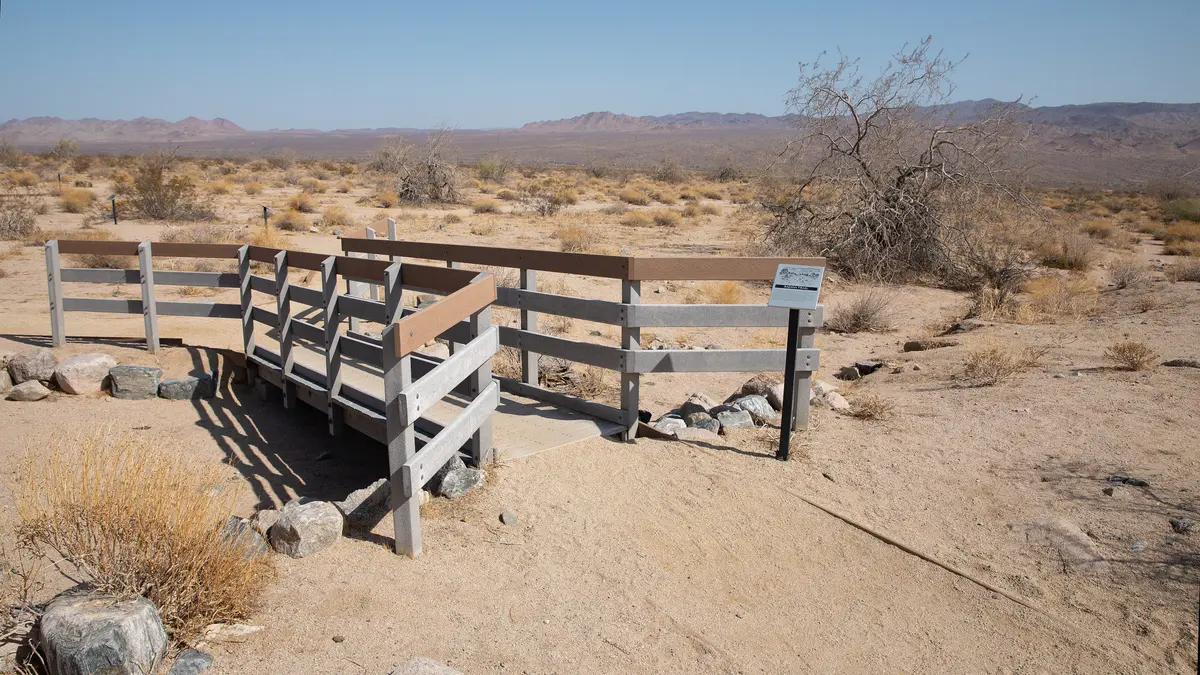
The Wildflowers trail at Joshua Tree isn't a formal trail at all — it's shorthand for the park's seasonal wildflower displays that transform the desert after wet winters. At just a quarter mile, this represents the shortest possible commitment to catch the desert's brief, brilliant bloom cycle.
Trail Details
- 🏃Activities
- Hiking
- 📏Distance
- 0.25 miles
- 📍Location
- CA
- 🐕Dogs Allowed
- No
- 💵Fee
- Free
Overview
Joshua Tree's wildflower season is a gamble that pays off spectacularly when conditions align. Following winters with adequate rainfall, the desert floor erupts in color between February and March, with blooms spreading from the lowest elevations upward over several weeks. Above 5,000 feet, flowers can persist into June, but the main show happens early and fast.
The 0.25-mile distance suggests you're looking at roadside displays or very short nature walks to prime viewing spots. Several locations within the park offer easy access to wildflower concentrations. Skull Rock Trail puts the most colorful displays just steps from the parking lot, while Arch Rock — noted as a favorite wildflower location — requires only a half-mile hike with some incline. Hidden Valley provides wide variety during peak season, and Barker Dam's 1.1-mile loop showcases wild lupines, beavertail cactus blossoms, and poppies.
The desert's bloom schedule follows elevation and moisture. Yucca flowers, with their dramatic white spikes, typically appear between February and late April. If winter rains were insufficient, expect small blooms or none at all — the desert doesn't pretend otherwise.
What to Expect
Wildflower hunting in Joshua Tree means walking on established trails only. The park strictly prohibits crushing vegetation to protect future blooms, so resist the urge to bushwhack for that perfect photo angle. Most prime viewing areas offer little to no shade, particularly on trails like the Bajada Nature Trail where February and March displays can be vibrant.
The desert's timing is unforgiving. Early morning provides the best light and avoids crowds, but more importantly, many desert flowers close during the heat of midday. Plan your visit for the first hours after sunrise when blooms are fully open and the light is soft.
For locations like Pinto Basin Road, wet years can produce explosive displays, especially near Turkey Flats. These roadside shows don't require hiking at all — you can drive slowly and stop where conditions look promising.
Tips & Logistics
Check current wildflower reports before making the trip. The park's bloom status changes weekly during peak season, and driving three hours for a dud year teaches expensive lessons. Rangers and visitor centers provide updated conditions.
Parking fills quickly during prime wildflower season, especially at popular trailheads like Skull Rock and Hidden Valley. The park may implement drive-through-only policies when lots reach capacity, so arrive early or have backup locations in mind.
Bring sun protection regardless of season. Desert sun reflects off light-colored rocks and sand, creating conditions that burn faster than you expect. Water matters even on short walks — desert air pulls moisture from your system constantly.
Photography works best with a polarizing filter to cut glare and saturate colors against the bright desert backdrop. Macro lenses reveal intricate details on smaller blooms that wide shots miss.
Avoid hiking during hot weather months from May through October. Even quarter-mile walks become unpleasant when temperatures climb above 90 degrees, and wildflower season ends long before summer heat arrives.
Remember that this is a desert ecosystem recovering from brief abundance. Take only photos, stay on designated paths, and leave the blooms for the next person to discover.