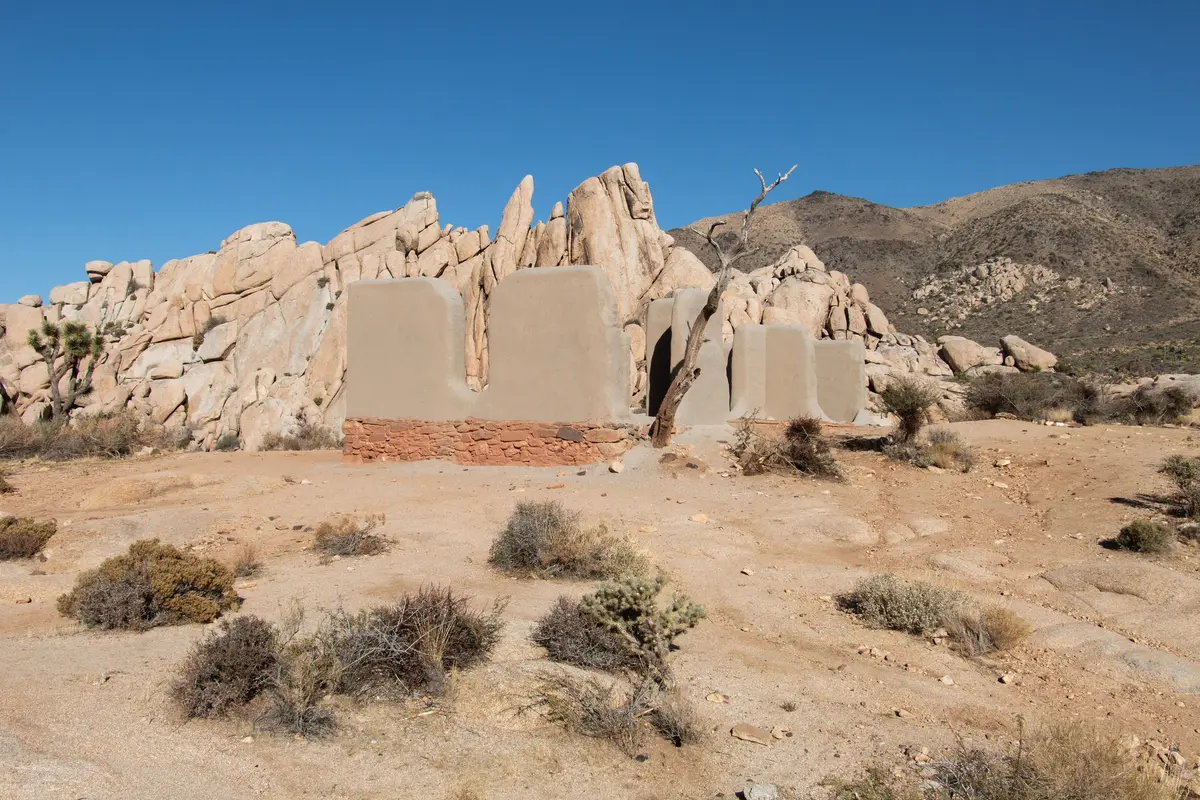
Ryan Mountain delivers the classic Joshua Tree summit experience without the route-finding headaches of cross-country desert travel. The trail climbs straight up a rocky spine to 5,457 feet, where you get the full panorama: the Wonderland of Rocks spread below, the San Bernardino Mountains on clear days, and enough empty desert to remind you why this place matters.
Trail Details
- 🏃Activities
- Hiking
- 📊Difficulty
- Hard
- 🔁Trail Type
- out and back
- 📏Distance
- 3 miles
- ⬆️Elevation Gain
- 1,050 ft
- 🪨Surface
- dirt and rock
- 🌤️Best Seasons
- december, january, february, march, april, may, september, october, november
- 📍Location
- CA
- 🐕Dogs Allowed
- No
- 💵Fee
- Free
Overview
This is Joshua Tree's most straightforward peak bagging. The trail wastes no time with false promises — after a brief flat section, it heads directly uphill for 1.5 miles of sustained climbing. You're walking on Pinto Gneiss, the oldest rock in the park, which gives the mountain its distinctive character. The route follows a clear path the entire way, marked by stone steps built from native rock in the steeper sections.
The summit sits at the boundary between the park's two desert ecosystems. From up there, you can trace the transition from the Joshua tree woodlands of the Mojave Desert below to the sparse creosote flats of the Colorado Desert stretching east toward the Salton Sea.
What to Expect
The trailhead sits on Park Boulevard, about 15 miles from the West Entrance. Stone steps mark the beginning of the climb, but don't get comfortable — they end once you reach the saddle, and the upper section becomes a dirt trail over rocky terrain.
At 0.2 miles, you'll hit a junction with the trail to Sheep Pass Campground. Stay right for the summit. From here, the climbing begins in earnest. There's no shade anywhere on this route, which is both the challenge and the appeal — you're fully exposed to the desert environment from start to finish.
The final push to the summit involves some scrambling over rock, but nothing technical. The 360-degree views from the top take in San Gorgonio Mountain and San Jacinto Peak when visibility is good, plus the entire sweep of Joshua Tree's boulder-studded landscape.
Tips & Logistics
Parking fills up fast, especially on weekends. The lot has primitive bathrooms but nothing else in terms of amenities. Plan to arrive early or have a backup plan.
Water is critical. Bring at least one liter, two when temperatures climb. Emergency evacuations have happened on this trail during summer heat, so take the "not recommended May through October" guidance seriously. The best hiking months run from December through April, with early morning starts essential during the shoulder seasons.
Light hiking boots make sense here — the rocky terrain and omnipresent cacti make ankle protection worthwhile. Layers matter more than you'd expect. The summit can be surprisingly windy and cold, even on warm days at the trailhead.
Don't plan sunset summit attempts. Descending this rocky terrain in low light isn't worth the risk, and the desert sunrise views are better anyway.
The area is prime bighorn sheep habitat, so keep your eyes open, especially near water sources and in the early morning hours. They're more common than most visitors realize, just better at staying out of sight.